- Try This
- Posts
- Try This – 3 Shares for the Week
Try This – 3 Shares for the Week
PFAS, better sleep, magnesium, and more

Dhru Purohit
January 23, 2026
Try This community, today I’m sharing three things that caught my attention this week.
High level:
Could nonstick pans and cookware be poisoning our families?
A powerful reminder to be extra careful about what you watch on your phone at night.
Cancer alert: This miraculous mineral can massively support prevention!
Shout Out to Our Sponsor MAUI NUI Who Helps Keep This Newsletter Free
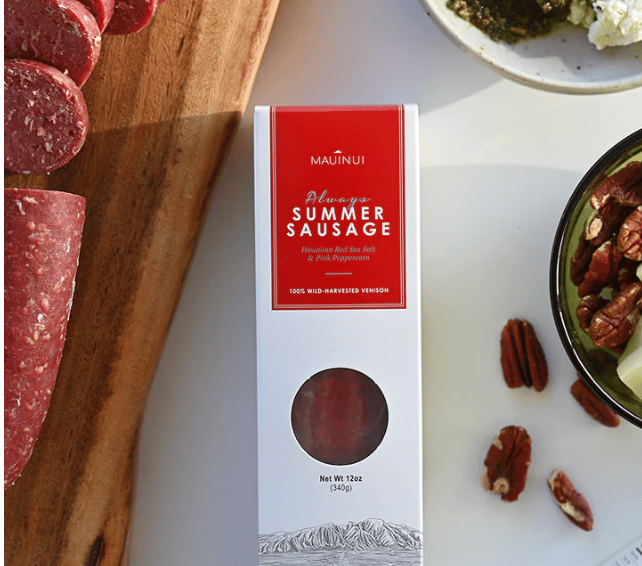
I’m always looking for ways to hit my protein goals without feeling sluggish, and lately I’ve been reaching for Always Summer Sausage from Maui Nui Venison.
This isn’t deli meat. It’s made from 100% wild-harvested Axis deer that roam freely across Maui’s mineral-rich landscape, no feedlots, no antibiotics, no hormones, ever. The result is one of the cleanest, most nutrient-dense lunch proteins you can find.
Each serving delivers 20g of protein for just 110 calories, with zero sugar, no fillers, and 98% lean meat. It’s lightly smoked, naturally flavorful, and incredibly easy to work into your day: sandwiches, snack plates, or straight from the fridge post-workout.
What I love most is how it makes meals feel effortless while keeping my energy steady instead of dragging me down.
And like everything Maui Nui does, it’s not just about macros, it’s about mission. Their USDA-inspected, ethical field harvesting supports ecosystem balance in Maui and a more thoughtful way to consume meat.
If you want a high-protein lunch that actually makes you feel good, try Always Summer Sausage at mauinuivenison.com/DHRU. Supply is limited by nature and small-batch production, so don’t wait.
Number 1: Still Using Nonstick Pans? Read This.
Fatty liver disease is on the rise, especially in young people. New evidence shows that common and insidious toxins in things like nonstick pans could be contributing to this rising epidemic.
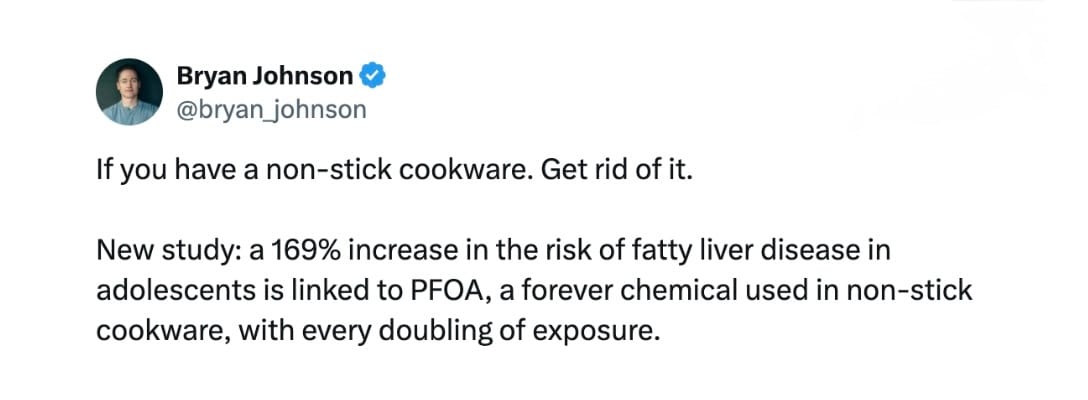
A new study looked at two groups of young people (adolescents between eight and 13 years old and young adults aged 17–23) to see whether exposure to per‑ and polyfluoroalkyl substances (PFAS, which are chemicals found in nonstick cookware, stain‑resistant fabrics, and many consumer products) was linked with metabolic dysfunction‑associated steatotic liver disease, a form of fatty liver disease that’s becoming more common in youth.
In the younger group, higher levels of certain PFAS (especially PFOA, aka perfluorooctanoic acid) were associated with a significantly higher odds of fatty liver disease, and that risk grew stronger with age. Kids who carried a specific genetic variant linked to liver fat (the PNPLA3 risk allele) were even more susceptible. In the young adult group overall, PFAS weren’t associated with liver disease, but among smokers, higher PFAS levels were tied to increased risk.
If you have younger people in your home, know this: PFAS exposure in childhood and adolescence may increase the risk of fatty liver disease later on, and that risk can be modified by age, genetics, and lifestyle factors like smoking. While more research is needed to fully understand causation and mechanisms, these findings highlight how environmental toxins may interact with biology and behavior to influence metabolic health early in life.
Try This: Whenever possible, use stainless steel, ceramic, or cast-iron pans instead of nonstick. I know it can be an investment, but if you find the right pans, they can last you a long time and help reduce your toxic burden. Some of my favorites are the Our Place Titanium Always Pro Pan and the Xtrema Cookware.
Number 2: What You Watch at Night Could Be Ruining Your Sleep.
Is your phone really ruining your sleep? It might depend on what you’re looking at.
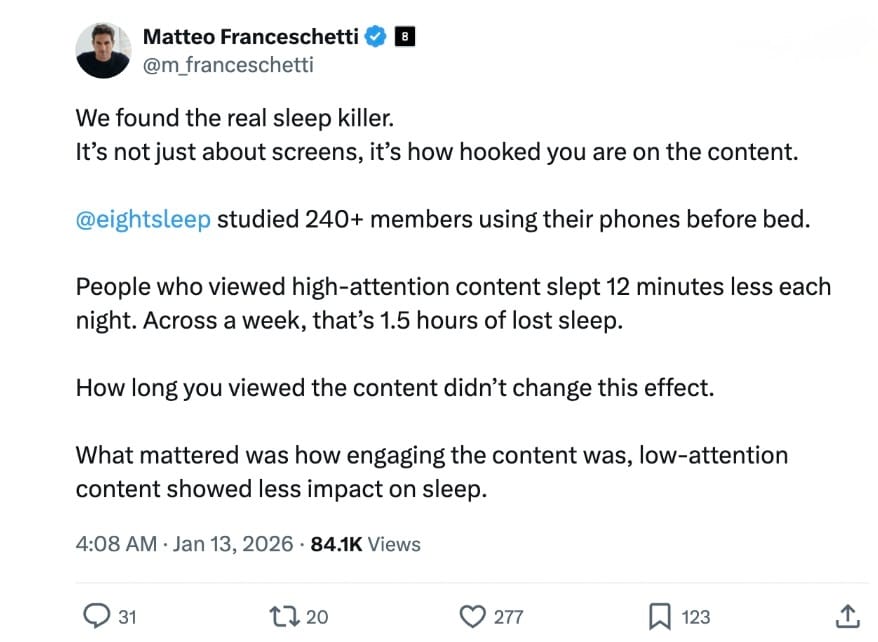
New data from Eight Sleep challenges the old belief that any phone use before bed is equally harmful. In a sleep study of over 240 adults across 1,700 nights, researchers found that the type and attention‑grabbing nature of the content matter more than just the screen itself.
People who looked at news‑related content within an hour of bed had slightly less REM sleep than those who viewed other types of media, and viewing highly engaging content (regardless of duration) was linked with about 12 fewer minutes of total sleep time. This is likely because higher engagement kept people up later. On the other hand, simple or less stimulating content didn’t show the same negative effects on sleep quality or stages.
This research suggests that it’s not screens per se that hurt your sleep; it’s how much your attention gets captured and how late you stay engaged. Other studies show that screens can suppress melatonin and delay sleep, but content engagement plays a big role in whether you actually fall asleep and stay asleep.
Try This: If you’re going to use your phone before bed, choose calmer, low‑engagement content like an audiobook or a mellow podcast, and set a firm bedtime cutoff so your brain can unwind.
P.S.: Speaking of Eight Sleep, I've been testing out their latest model, the Pod 5, and I've been blown away by how much better it is than my original Pod 4.
As someone who always runs warm at night, the most significant improvement to my sleep in the last five years has been using Eight Sleep. Early on in my podcast, they were a sponsor for a short period, but they aren’t anymore; I leased the Pod 5 so I could review it for my newsletter. Here’s my quick review after using it for five months!
Love:
The AI-based temperature changes. Eight Sleep will analyze your movements throughout the night and adjust the temperature settings accordingly. It works really well for both my wife and me.
The mattress pad is a lot more comfortable than the original model. I don’t use the Eight Sleep Mattress; I just use their Pod 5 Cover, and I place it on top of my Birch Organic Mattress.
Not Amazing:
Sleep tracking using Eight Sleep is hit or miss. For sure, it’s not as accurate as Oura or Whoop, and for that reason, I’m not a big fan.
EMFs: Yes, the Eight Sleep does give off some EMFs, but I’ve found that it's not as much as I would have expected, as long as I used a ground sheet for my bed, which I wrote about last week. After having my room tested, I was totally happy with the levels, considering how much the product has improved my sleep over the years by helping my body control its temperature.
Number 3: This Relaxation Mineral Could Play a Role in Colon Cancer Prevention.
A randomized, double‑blind, placebo‑controlled trial tested whether magnesium supplementation could change levels of specific gut microbes tied to vitamin D synthesis and colon health.
Researchers focused on two bacteria: Carnobacterium maltaromaticum and Faecalibacterium prausnitzii. In earlier lab studies, these were shown to help produce vitamin D locally in the gut, and they have been linked with protection against colorectal carcinogenesis.
In 239 adults, those given magnesium (the amounts were individualized) showed a significant increase in both of these beneficial microbes in rectal swab samples compared with a placebo, but only in people with a certain magnesium‑processing gene variant (TRPM7), suggesting your genetics may influence how your microbiome responds.
So while magnesium didn’t universally boost all gut microbes, in those with the “right” genotype, it boosted the bacteria thought to help generate de novo vitamin D in the colon. Higher local vitamin D may contribute to anti‑inflammatory, anticancer effects that aren’t captured by blood vitamin D levels alone.
Try This: Focus on magnesium-rich foods like nuts and seeds, leafy greens, avocados, and dark chocolate, and consider supplementing. I personally take about 300 to 500 mg of extra magnesium a day because it has so many different benefits. If you want to learn more about types of magnesium and their benefits, check out my ultimate magnesium cheat sheet.
Much love,
Dhru Purohit
What did you think about today's email? |
The information in this newsletter is for educational purposes only and should not be construed as medical advice; please consult a qualified healthcare professional before making any health-related decisions.