- Try This
- Posts
- Try This –3 Big Shares for the Week
Try This –3 Big Shares for the Week
Lower blood sugar, build muscle, and more...

Dhru Purohit
March 06, 2026
Try This community, today I’ve got some really good shares.
High level:
A great blood sugar tip my parents have started implementing
Another potential benefit of semaglutides like Ozempic
New data on strength and longevity
Shout Out to Our Sponsor Maui Nui Who Helps Keep This Newsletter Free
Most protein snacks? They’re filler ingredients wrapped around mediocre meat. That’s not the case with Maui Nui venison jerky sticks.
I keep going back to them. Not because they’re trendy. Not because they say “high protein” on the label. Because they actually taste good and they’re built on real quality. They’re tender and clean, not dry, not gamey. They actually taste like real food.
The Original has a subtle savory sweetness, while the sugar-free Peppered delivers a bold, salty kick. And yes, I’ve definitely eaten two back-to-back.
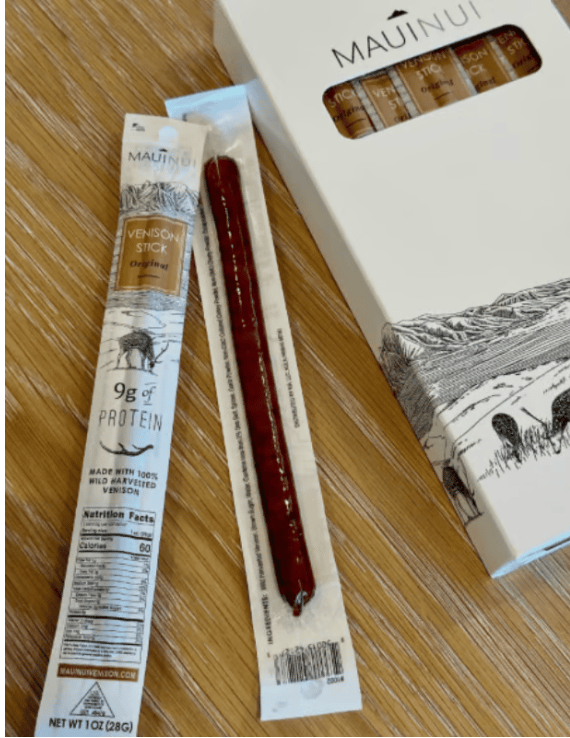
Why Maui Nui Jerky sticks stand out:
💪 ~10g complete protein
🔥 Around 55 calories
🚫 Zero sugar options
✈️ Shelf-stable for gym bags, desk drawers, travel days
But what really sets them apart is the sourcing. They’re made from wild-harvested Axis deer from Maui: no feedlots, no antibiotics, no fillers. Just incredibly clean, nutrient-dense red meat from one of the best possible source materials you can start with.
Real food. Real protein. You’ll understand why I keep going back.
Maui Nui is offering the Try This community a free 12-pack of their jerky sticks with your first order of $79 or more. JUST CLICK HERE. But hurry, supply is limited by the nature of their work, so don’t wait.
Number 1: Eating Outside Is Great for Your Blood Sugar
Here’s why: Exposure to long-wavelength light (including natural sunlight) before a meal may help lower blood glucose levels.
A fascinating study in the Journal of Biophotonics found that long-wavelength light can significantly reduce blood glucose levels after eating in healthy people. Researchers exposed study participants to 670 nm red light for 15 minutes before a glucose tolerance test and compared their blood sugar responses to a control group that didn’t receive the light.
The results were striking: Average blood glucose elevations after a sugary drink were reduced by nearly 28 percent in the red-light group compared with controls, and peak glucose spikes were also meaningfully lower.

In the video above, Jonathan Jarecki breaks down why light is so powerful for blood sugar. Our mitochondria (the energy factories inside your cells) absorb red and near-infrared light. This stimulates ATP production, and making ATP requires fuel. That fuel is glucose. When mitochondria ramp up energy production, they pull more glucose out of the bloodstream, which may help blunt post-meal spikes.
In practical terms, something as simple as eating outside in natural daylight or getting light exposure before a meal could support healthier glucose metabolism.
On the flip side, chronic exposure to high amounts of blue-heavy artificial light (from screens, LEDs, and indoor lighting) may impair mitochondrial function and disrupt glucose regulation over time.
I loved this tip so much that I sent it to my parents, who immediately took their breakfast outside. It’s a super-simple tip that honestly feels like a great excuse to get outside and enjoy the sun.
Number 2: Do Semaglutides Like Ozempic Improve Osteoarthritis?
Here’s some fascinating new data on semaglutide (the drug behind diabetes and weight-loss medications like Ozempic and Wegovy): They may have benefits for osteoarthritis that go beyond simply helping people lose weight. In a paper published in Cell Metabolism, scientists found that semaglutide appears to protect and even partially restore joint cartilage through mechanisms that aren’t just about reducing body weight.
Osteoarthritis isn’t just “wear and tear.” It involves a mix of inflammation, metabolic changes, and cartilage breakdown that leads to pain, stiffness, and loss of mobility. In mouse models of obesity-related osteoarthritis, semaglutide reduced key signs of joint degeneration, including reduced cartilage breakdown, fewer bone spurs, fewer lesions, and lower pain-related behavior, even after controlling for weight loss.
That points to a weight-loss-independent effect on the joint itself.
The drug seems to reprogram how cartilage-maintaining cells generate energy, shifting them toward more efficient metabolism and giving these cells better capacity to survive and repair damage.
Now, that was an animal model, but a small human trial (about 20 people with knee osteoarthritis and obesity) also showed improved knee function, less pain, and thicker cartilage on MRIs after semaglutide treatment compared with standard therapy, hinting that similar effects may occur in people too.
This research is early, and the human data is limited, but it opens a fascinating possibility: A medication known for metabolic and weight-loss effects might directly influence joint biology and help slow or even reverse structural damage in osteoarthritis.
Shout-out to Dr. Robert Lufkin on X for sharing this and offering the thought that maybe osteoarthritis is a metabolic issue and not a structural one.
Number 3: New data on strength and longevity
Here’s some great news. Working on your strength can have a massive impact on longevity.

Researchers analyzed data from 5,472 women aged 63 to 99 participating in the Women’s Health Initiative. They measured muscle strength using two simple tests: handgrip strength and a “sit-to-stand” test, which measures how quickly someone can rise from a chair multiple times. Participants were then followed for about eight years to track survival outcomes.
Here’s what they found: women with higher muscle strength had a significantly lower risk of early death (about one-third lower) than those with weaker muscles. What surprised researchers most was that the association held even after adjusting for aerobic fitness, physical activity levels, age, health conditions, and lifestyle factors.
In other words, strength itself—not just being active—matters.
This adds to a growing body of research suggesting that muscle strength functions almost like a “vital sign” of aging, reflecting our overall health from metabolism to our nervous system and more.
But don’t just forget about cardio. The data suggest that combining aerobic activity with resistance or strength training may offer the biggest longevity payoff.
Who else is determined to get super strong? Let’s go!
See you next week.
Much love,
Dhru Purohit
What did you think about today's email? |
The information in this newsletter is for educational purposes only and should not be construed as medical advice; please consult a qualified healthcare professional before making any health-related decisions.