- Try This
- Posts
- Try This – 3 Big Shares for the Week
Try This – 3 Big Shares for the Week
Alzheimer’s, Parkinson’s, and more

Dhru Purohit
January 09, 2026
Try This community, today I have three big shares for you.
High level:
Super-promising Alzheimer’s research. (Can it be reversed?)
Want to improve your sex life? Focus on this!
When left untreated, this condition can increase the risk of Parkinson’s by 100 percent.
Let’s get into it.
Shout Out to Our Sponsor BIOPTIMIZERS Who Helps Keep This Newsletter Free
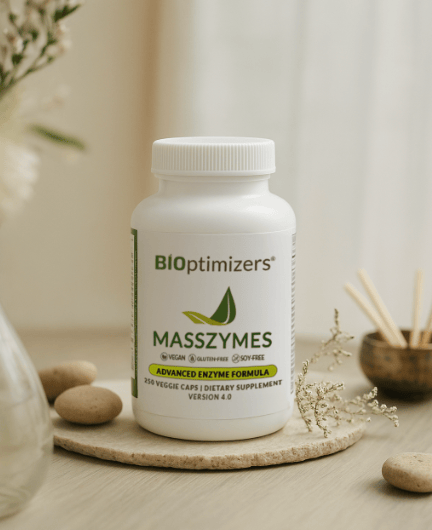
Bloating, cramping, or sudden bathroom sprints aren’t always about the food; it’s often about what your body can’t digest.
That’s why I take MassZymes from BiOptimizers.
Here’s the deal: when you don’t have enough digestive enzymes, food doesn’t break down properly. Large particles linger, irritate the gut, and interfere with nutrient absorption over time. That’s why digestive enzymes have been a staple for me for years, especially if certain meals leave you feeling off.
MassZymes is in a class of its own:
🌱 Full-spectrum blend to break down proteins, carbs, fats, and fiber
✨ Helps ease stress on the gut and support barrier health
💪 Supports absorption to protect muscle and metabolism
😌 Helps reduce bloating and discomfort so you feel lighter after meals
I take it daily, especially with heavier meals, and I definitely notice a difference.
And the best part? BiOptimizers backs it with a 365-day money-back guarantee, so you can try it completely risk-free.
For a limited time, BiOptimizers is offering my community 26% off select products and bundles during the New Year, New You sale by using code DHRU at checkout. And select bundles are on sale for up to 45%. Just CLICK HERE and use promo code DHRU to get your digestion back on track with MassZymes.
Number 1: Can Alzheimer’s Be Reversed?
In a groundbreaking study from Case Western Reserve and partners, researchers were able to not only stabilize brain function in mice with late-stage Alzheimer’s but also restore brain function.
How?
They used a treatment that boosted NAD+, a molecule essential for cellular energy.
The researchers used a compound called P7C3-A20 to rebalance NAD+ in the brain, which repaired key Alzheimer’s features like brain inflammation, neuron loss, and blood-brain barrier breakdown. In two different genetic models of Alzheimer’s, the treated mice experienced full neurological recovery.
What this study tells us is that Alzheimer’s may be less about irreversible damage and more about a metabolic failure—neurons starving for energy. And when you restore that energy pathway, the brain may be capable of healing.
Now, what does this mean for humans? It could be huge, but more research is needed. Could NAD+ hold some sort of key to treatment? Hopefully, this is the start of us uncovering what it means to reverse this devastating disease.
Number 2: More Muscle = Better Sexual Health?
A new review in Sexual Medicine Reviews (authored by a few experts, including my dear friend, Dr. Gabrielle Lyon) looked at the scientific links between skeletal muscle quality (both muscle mass and strength) and erectile function and sexual health, especially in aging men and those with common health issues like obesity, diabetes, and sarcopenia (age‑related muscle loss).
Using 32 relevant studies, the authors found consistent patterns showing that stronger, healthier muscles are linked with better erectile function, sexual desire, and overall satisfaction. Measures of muscle strength (like grip strength) were associated with a lower risk of erectile dysfunction, even after adjusting for testosterone levels, highlighting that muscle health matters independently of hormones.
Here’s the deal: Strong muscles improve blood flow, insulin sensitivity, inflammation, and endothelial (blood‑vessel) health, all of which are critical for normal erectile function.
Prioritizing strength and muscle maintenance can benefit not just mobility and metabolism but also sexual health as you age. If you’re looking for a game plan to focus on muscle building in 2026, check out Dr. Lyon’s The Forever Strong Playbook, a six-week plan to sharpen your mind, strengthen your body, and get healthy at any age.
This is a pretty alarming share I learned about from Matt Walker, and it’s why I will continue to encourage folks to get a sleep study done, especially if they snore, are overweight, or struggle with fatigue.

A massive study analyzed medical data from over 11 million US veterans and found that people with untreated obstructive sleep apnea (OSA) had a significantly higher chance of developing Parkinson’s disease later on than those without OSA. When OSA was untreated, the risk of Parkinson’s went up by 100 percent!
The experts believe that the repeated drops in oxygen and disrupted sleep from apnea may stress neurons and inflammation pathways in the brain, potentially contributing to neurodegeneration over time.
Here’s the encouraging part: Early treatment with CPAP (continuous positive airway pressure) was linked with a lower risk of Parkinson’s. People who started CPAP within two years of their sleep apnea diagnosis had fewer new Parkinson’s cases than those who delayed treatment or never used CPAP.
This doesn’t prove sleep apnea causes Parkinson’s, but it highlights something powerful: Poor sleep and inadequate oxygen at night don’t just make you tired; they may affect your long‑term brain health.
If you suspect sleep apnea (loud snoring, gasping at night, daytime fatigue), don’t ignore it. Talk to your provider about testing and early CPAP treatment, not just for better sleep but potentially for your neurological future.
That’s all for now. See you next week for more shares.
Much love,
Dhru Purohit
What did you think about today's email? |
The information in this newsletter is for educational purposes only and should not be construed as medical advice; please consult a qualified healthcare professional before making any health-related decisions.