- Try This
- Posts
- The Minimum Dose: How Little Exercise Actually Protects Your Heart
The Minimum Dose: How Little Exercise Actually Protects Your Heart

Dhru Purohit
March 23, 2026
Heart disease is still the number one killer in the world. And a well-done study that's been on my radar has some findings on exercise and heart protection that I think more people should know about.
When I came across it, the first people I thought about weren't strangers. They were the people I love who are over the age of 60. My mom. Other people in my life who I know aren't getting much consistent exercise right now, but who have a lot of years ahead of them worth protecting.
That's exactly who this newsletter is for.
The study looked at the least amount of vigorous activity per week that is still associated with a meaningful reduction in cardiovascular disease risk. The number is lower than most people expect. And for anyone who hasn't found their way into a consistent exercise routine, it's genuinely encouraging.
Before we get into it: forward this to someone you love who has a family history of heart disease but isn't working out right now. A parent. A sibling. A friend. A mom or sister. Send it before you even finish reading it yourself.
Because this newsletter is specifically for the people who don't think of themselves as exercisers. The ones who've tried and stopped. The ones who feel too far behind to start. The ones who think that if they can't do it "right," they might as well not do it at all.
The number is smaller than you'd think. I'll give it to you right after a quick word from our sponsor.
Shout Out to Our Sponsor LMNT Who Helps Keep This Newsletter Free
That mid-day craving for something cold and fizzy? Most people grab a sparkling drink that looks healthy… but it’s loaded with sugar, artificial sweeteners, or ingredients they wouldn’t normally choose.
If you’re going sparkling mid-day, make it something that actually hydrates you. That’s where LMNT Sparkling comes in.
A lot of fatigue, brain fog, headaches, and even that wired-but-tired feeling can come down to electrolyte imbalance. It’s not just about more water — it’s about getting the right minerals in the right amounts.
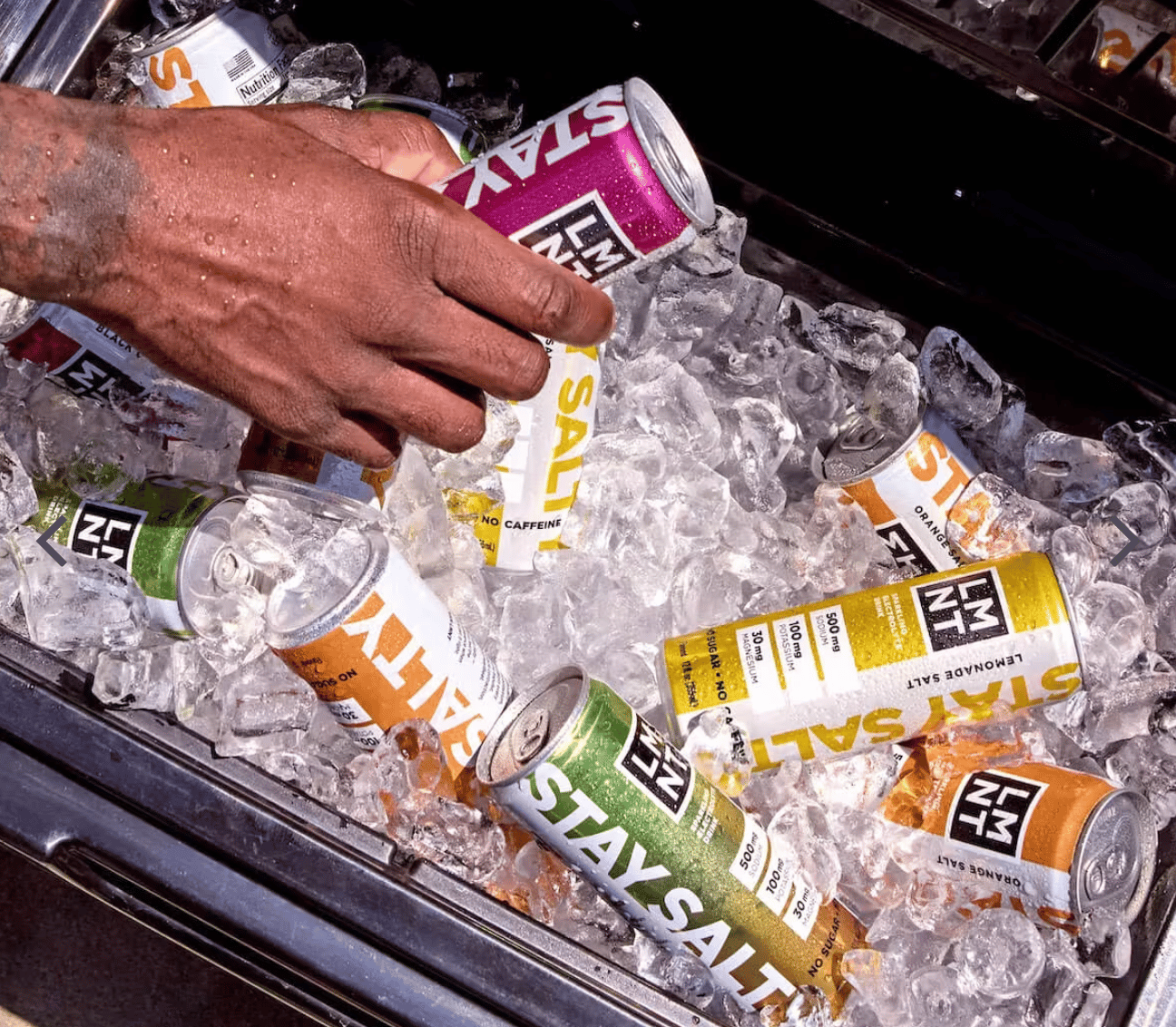
The new 12oz Sparkling slim cans are built for the in-between moments, long days, school drop-offs, and afternoon walks. My current go-tos are Orange Salt and Black Cherry Salt.
💧 Salty. Bright. Crisp.
🚫 No Sugar. No Junk. No Dyes.
⚡ Just Sodium + Potassium + Magnesium For Real Hydration.
Right now, LMNT is offering my community a FREE Sample Pack of electrolytes with any purchase. CLICK HERE to claim your free sample pack.
Sparkling is fine. Sparkling + functional is better.
Still here? Good. Because the number I'm about to share is one I think a lot of people need to hear right now.
Here's What the Research Actually Shows
Many people assume (like my mom) that to get real heart protection from exercise, you need to work out vigorously every single day.
Some new research tells a different story.
A well-designed prospective study tracked nearly 72,000 adults using wrist-worn accelerometers over almost six years. Not questionnaires where people estimate how much they moved. Actual devices. Actual data. Published in the European Heart Journal.
What they found was this: Just 20 minutes of vigorous activity per week was associated with a 40 percent lower risk of dying from cardiovascular disease.
Not 20 minutes a day. Twenty minutes. Per week.
That's less than three minutes a day.
The researchers also identified what they called the "optimal dose," the point where protective benefits really max out. That number lands at around 50–57 minutes per week. Which works out to roughly eight minutes a day.
This is meaningful data for anyone trying to understand what level of movement actually makes a difference for their heart. It doesn't mean that more exercise isn't better (it often is). It means the floor is a lot lower than most people realize, which is so important when it comes to long-term motivation and consistency.
Why Having a Real Number Matters
Something happens when people set a clear, achievable target.
They hit it. And then, having hit it, they often get excited to do more.
For people without a history of regular exercise, a minimum bar that feels winnable is more valuable than any ambitious program that they’ll eventually quit.
Twenty minutes a week says: you can do this. And once you prove that to yourself, the next week you go a little longer. The week after, a little harder. Your identity starts to shift. Not because you forced it, but because you already proved you could.
I want to say something specific here, because it still doesn't get said loudly enough.
Most people think of heart disease as a man's problem. It's not. It's the number one killer of women in the United States, too.
Not breast cancer. Heart disease. Women are often diagnosed later, have subtler symptoms, and have been historically underrepresented in this kind of research. So the fact that this study's findings held equally across age, sex, and health history matters. Twenty minutes a week protects women just as meaningfully as it protects men.
This is as much a conversation for the women in your life as anyone else. Forward it to them, too.
What Vigorous Actually Looks Like
"Vigorous activity" can sound more demanding than it needs to be.
Here's a simple way to think about it: Vigorous means you can feel it. Your breathing picks up. You couldn't easily hold a long conversation. Your heart is working.
Examples that count: brisk walking uphill, a fast-paced bike ride, dancing hard enough to break a sweat, climbing stairs with real effort, swimming laps, a short jog, a high-energy pickleball game, jumping jacks before a meeting, or chasing your kids around the backyard at full effort—no backyard necessary.
One more finding worth knowing: You don't have to do it all at once. The protection builds even in short bursts of two minutes or less spread across the day. Four two-minute pushes of real effort throughout your day are enough to start.
What Getting Started Could Look Like
If you want a simple structure to hit the 20-minute minimum and build toward the optimal 50–57 minutes, here's what three days a week could look like.
Monday: A 10-minute brisk walk on an incline, or two five-minute stair-climbing sessions split across your morning and afternoon.
Wednesday: Ten minutes of vigorous movement in whatever form you enjoy most. A dance session in your kitchen, a fast bike ride around the block, a swim, or a jog.
Friday or Saturday: Same as above, adding a few extra minutes if it feels good.
Three sessions. Twenty-plus minutes. Minimum bar hit.
As confidence builds, extend each session a little. Move to four days a week. Find something you actually look forward to. The point is to start small enough that there's no reason not to show up. Then let momentum do the rest.
Your Move
Heart disease is largely preventable. The research on this continues to grow. But for years, the exercise conversation has been dominated by goals that feel out of reach for a huge percentage of people. When the bar feels impossible, people don't try.
What this research adds to that conversation is a realistic starting point. Twenty minutes a week. A meaningful, measurable reduction in cardiovascular risk. A target that most people, regardless of their history with exercise, can actually hit.
Twenty minutes. You've got this.
Much love,
Dhru Purohit
What did you think about today's email? |
The information in this newsletter is for educational purposes only and should not be construed as medical advice; please consult a qualified healthcare professional before making any health-related decisions.